Winter math centers that run themselves (grades 2-5)
The weeks between Thanksgiving and winter break are the hardest to plan: attention is short, schedules break up for concerts and parties, and you still want real practice. Centers that students can run without you are the answer, as long as each one has three things: one clear skill, a self-check, and a way to finish early.
Set up four stations, not six
Four stations of 10-12 minutes fit a 45-minute block with transitions. More than four means you spend the block managing rotations.
- Station 1, practice with you: the skill you're actively teaching (for example two-step word problems). This is the only table that needs you.
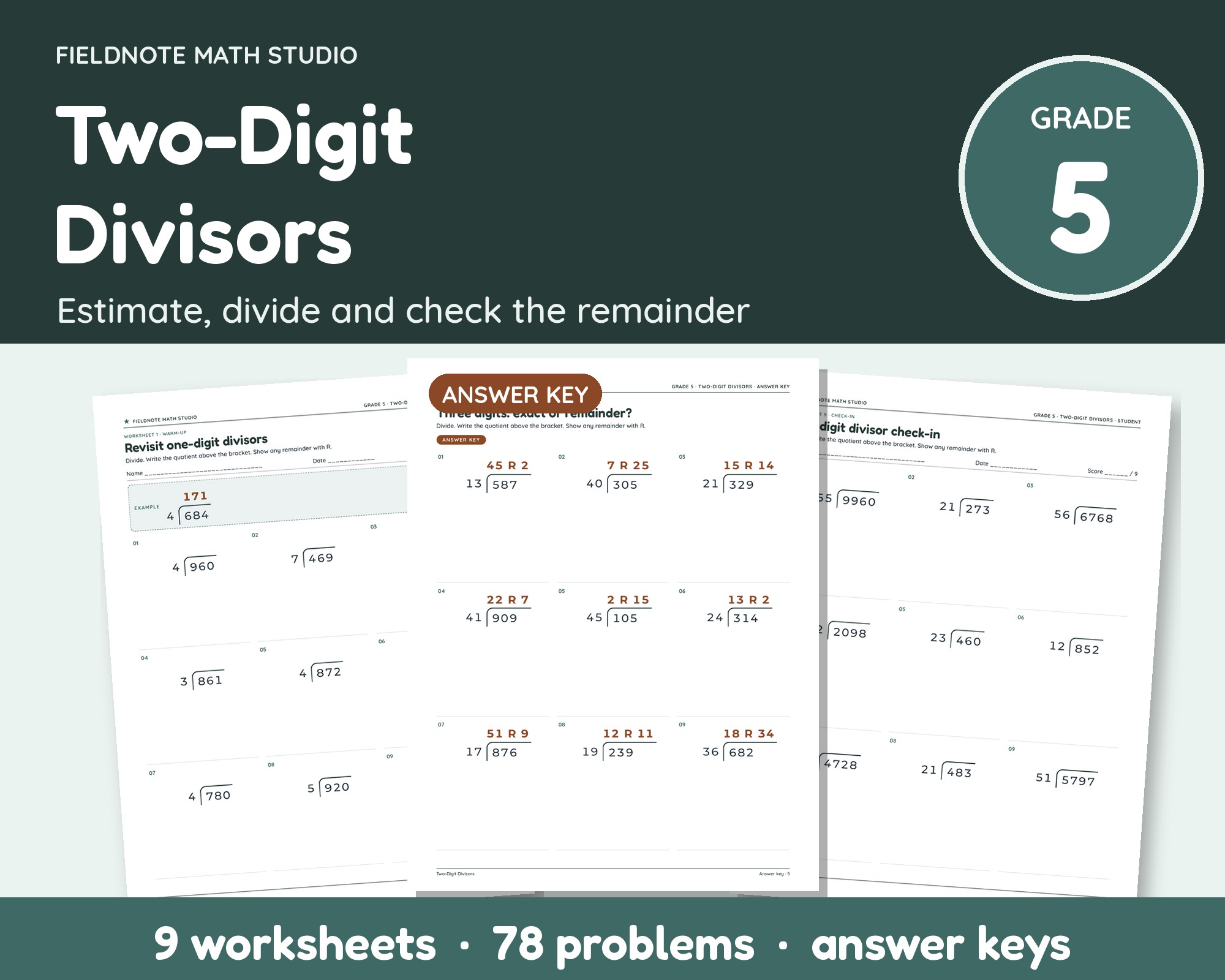
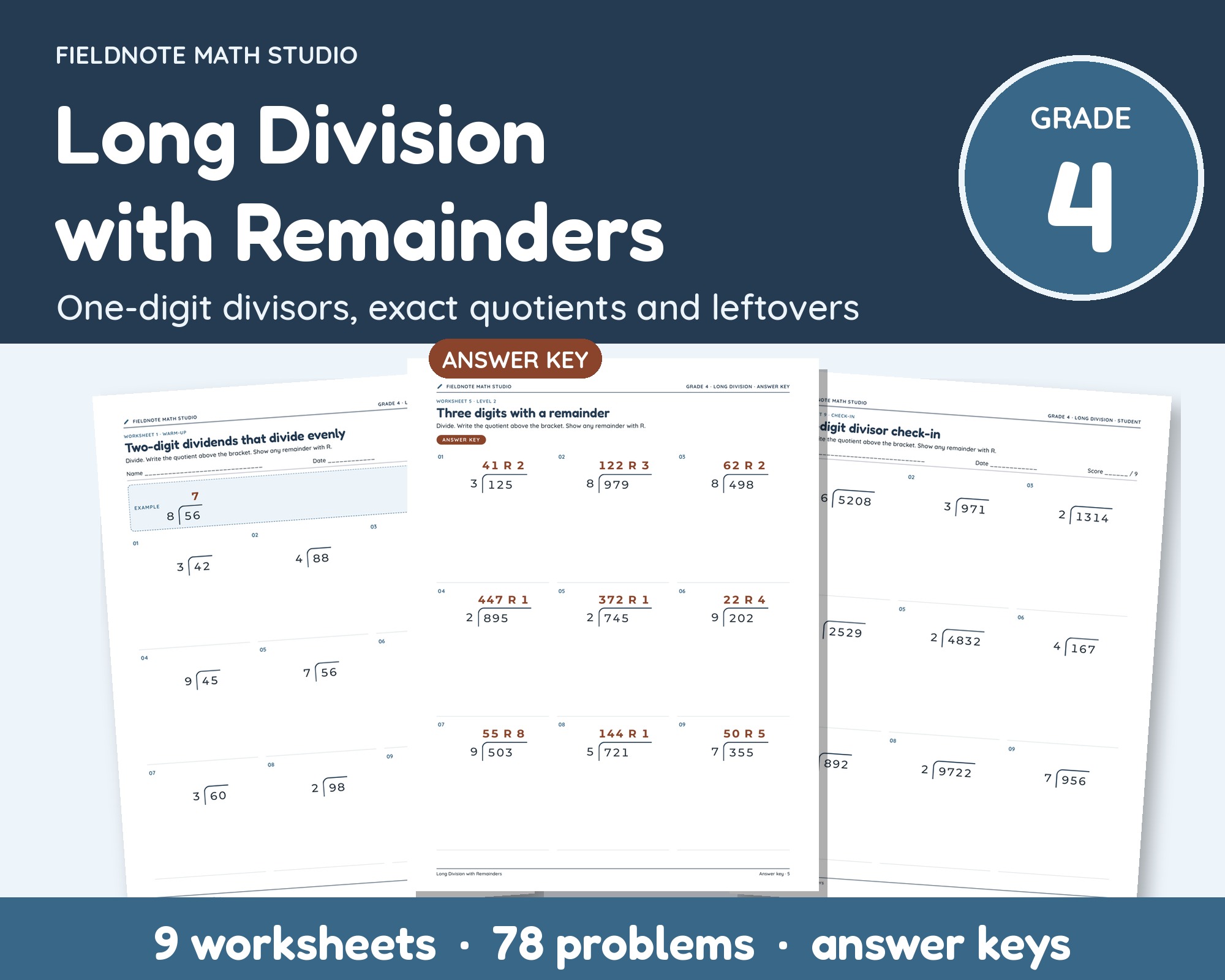
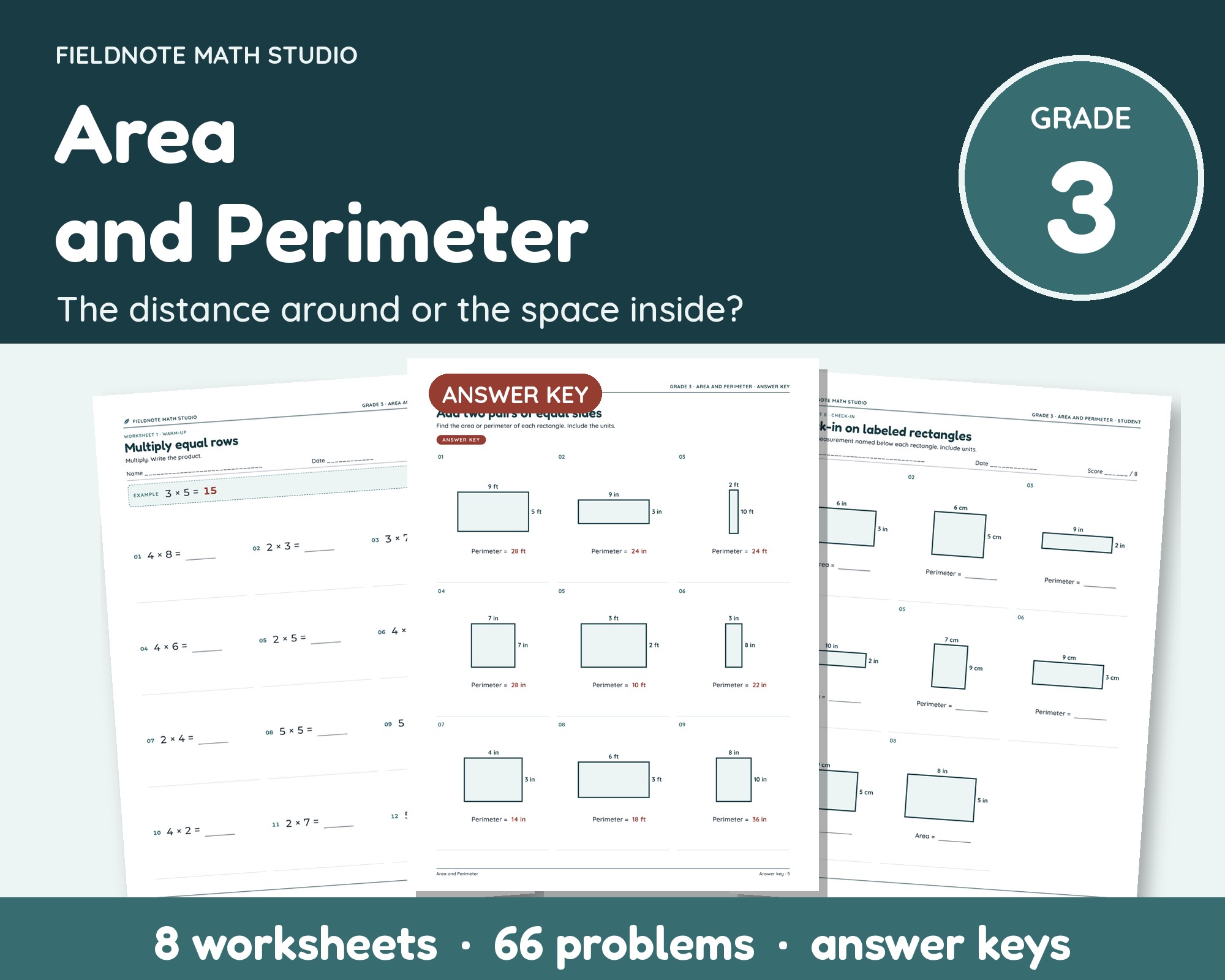
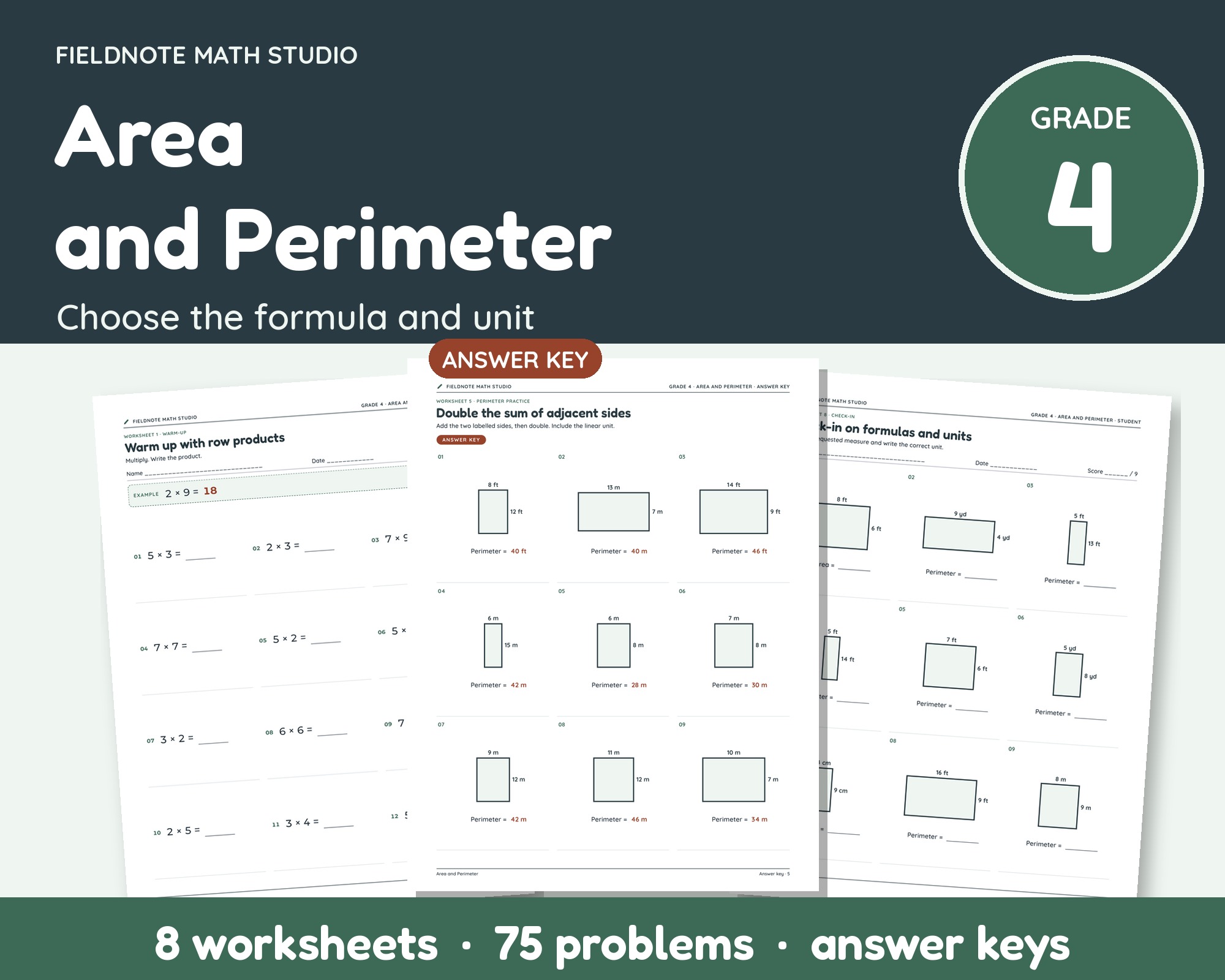
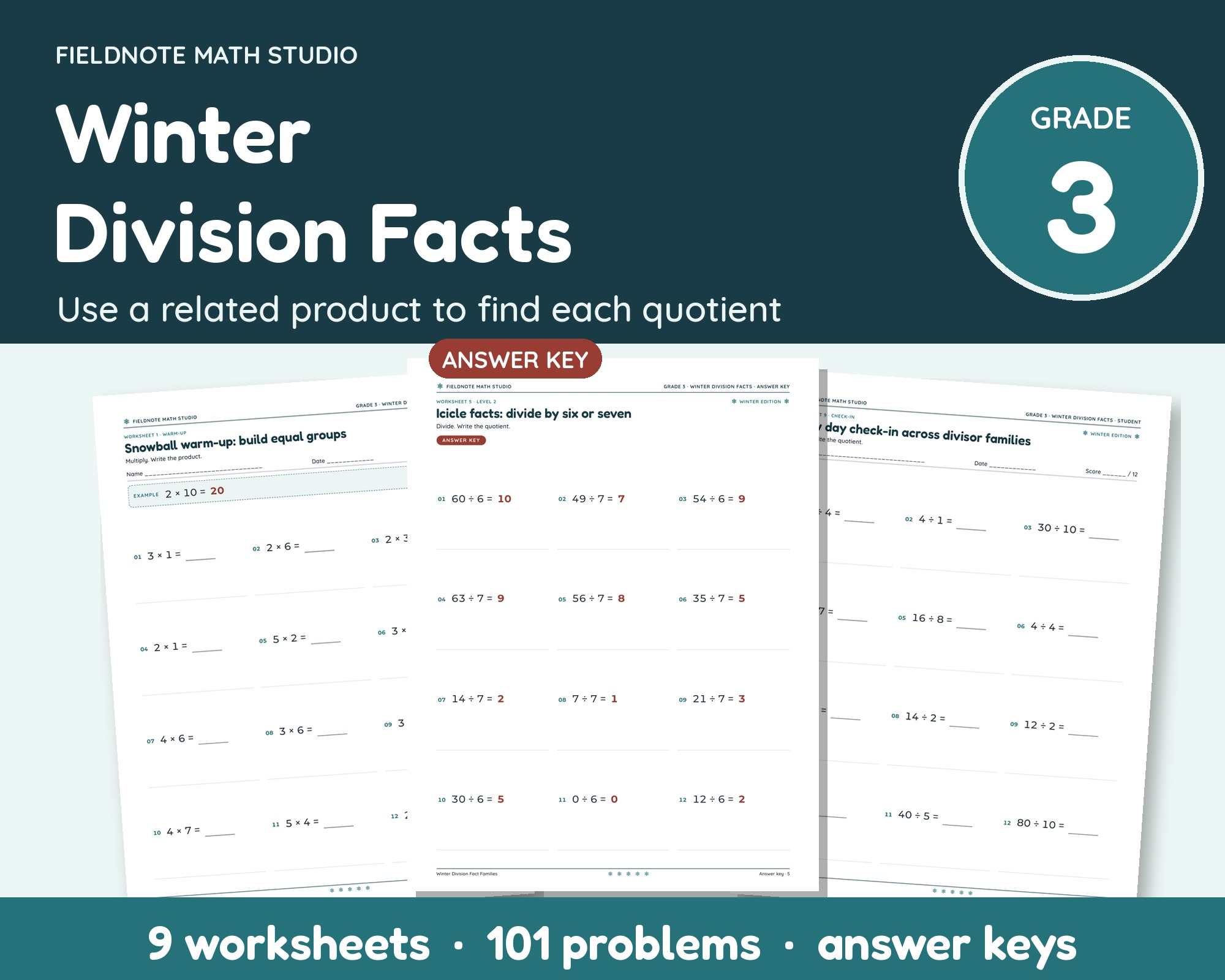
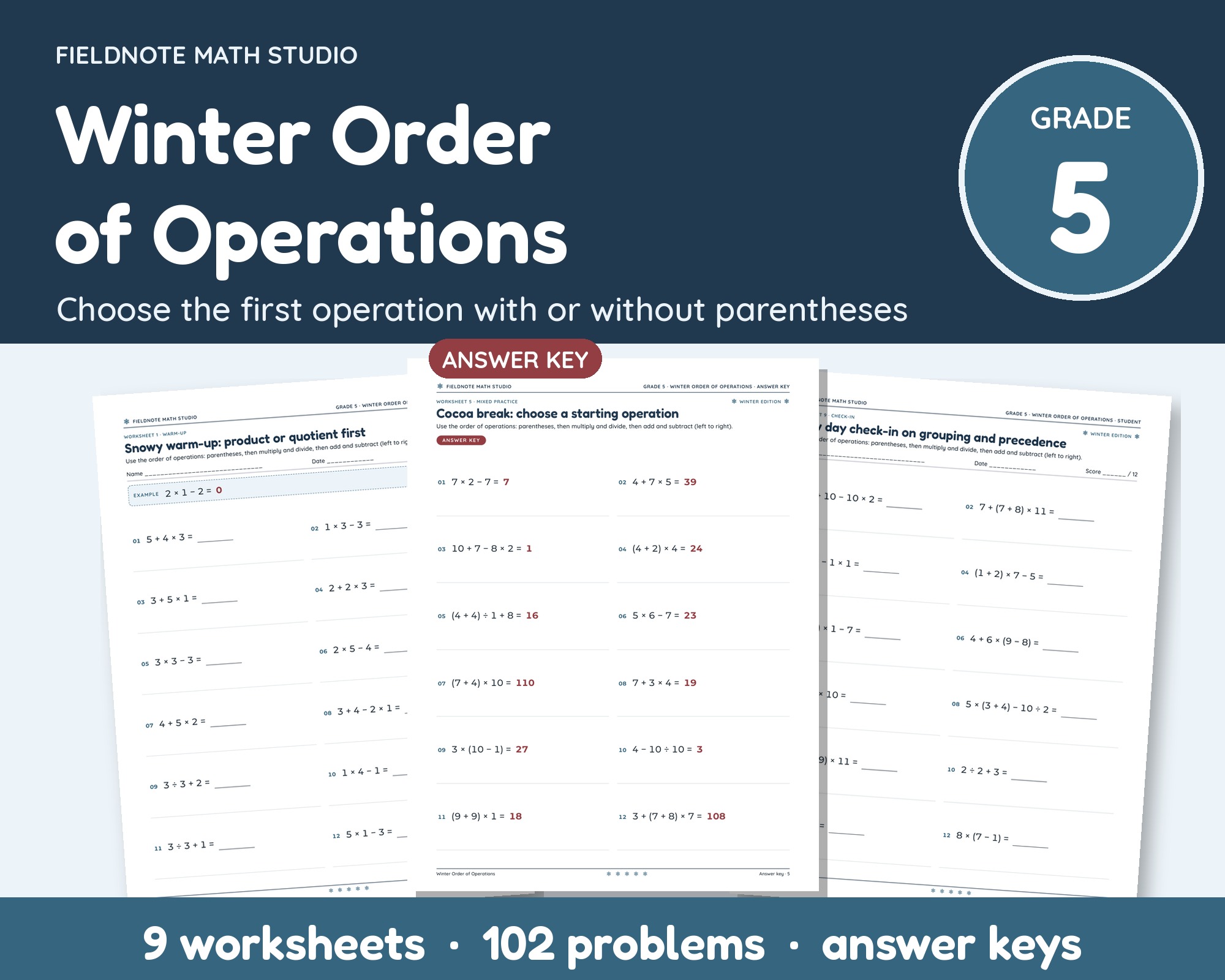
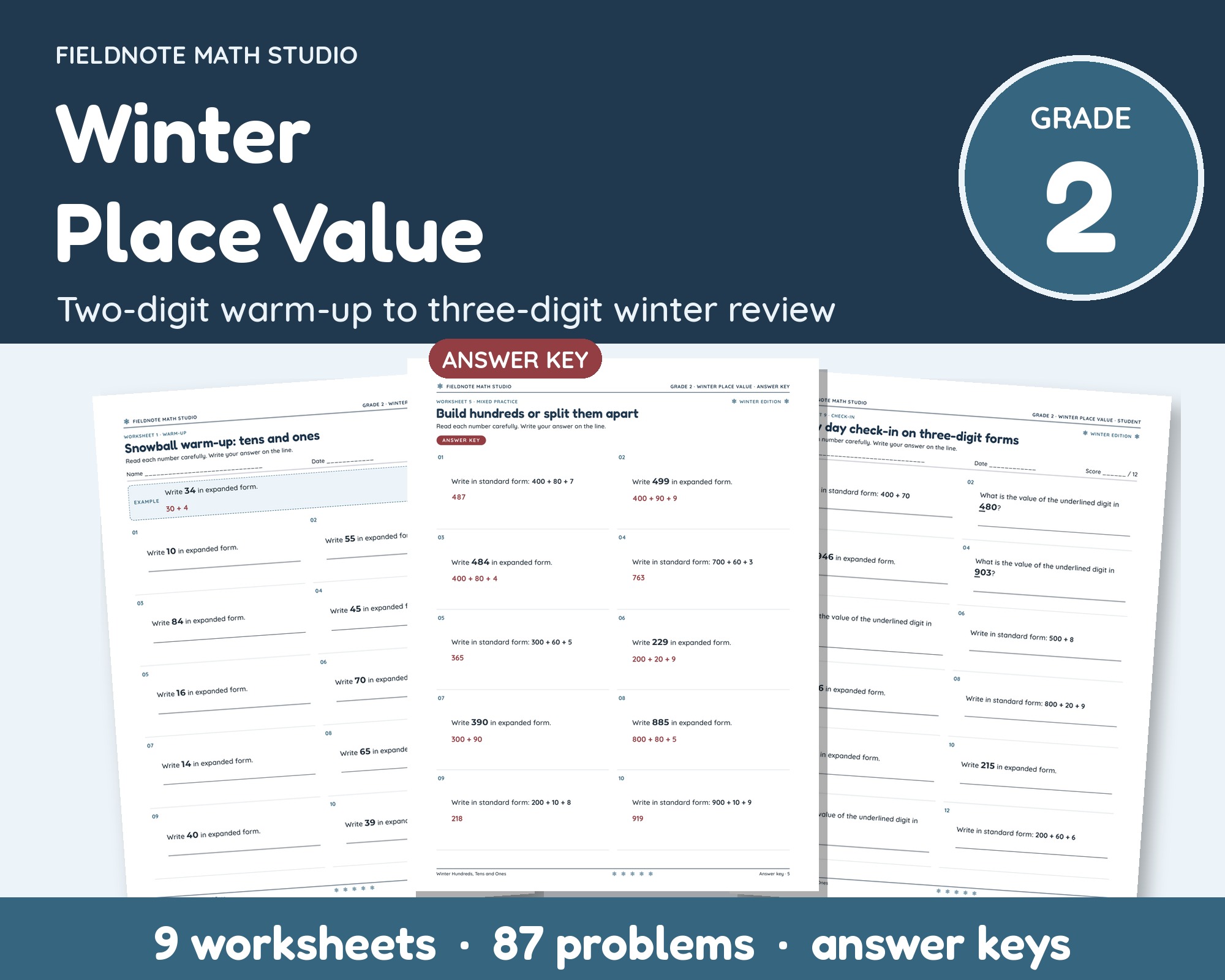
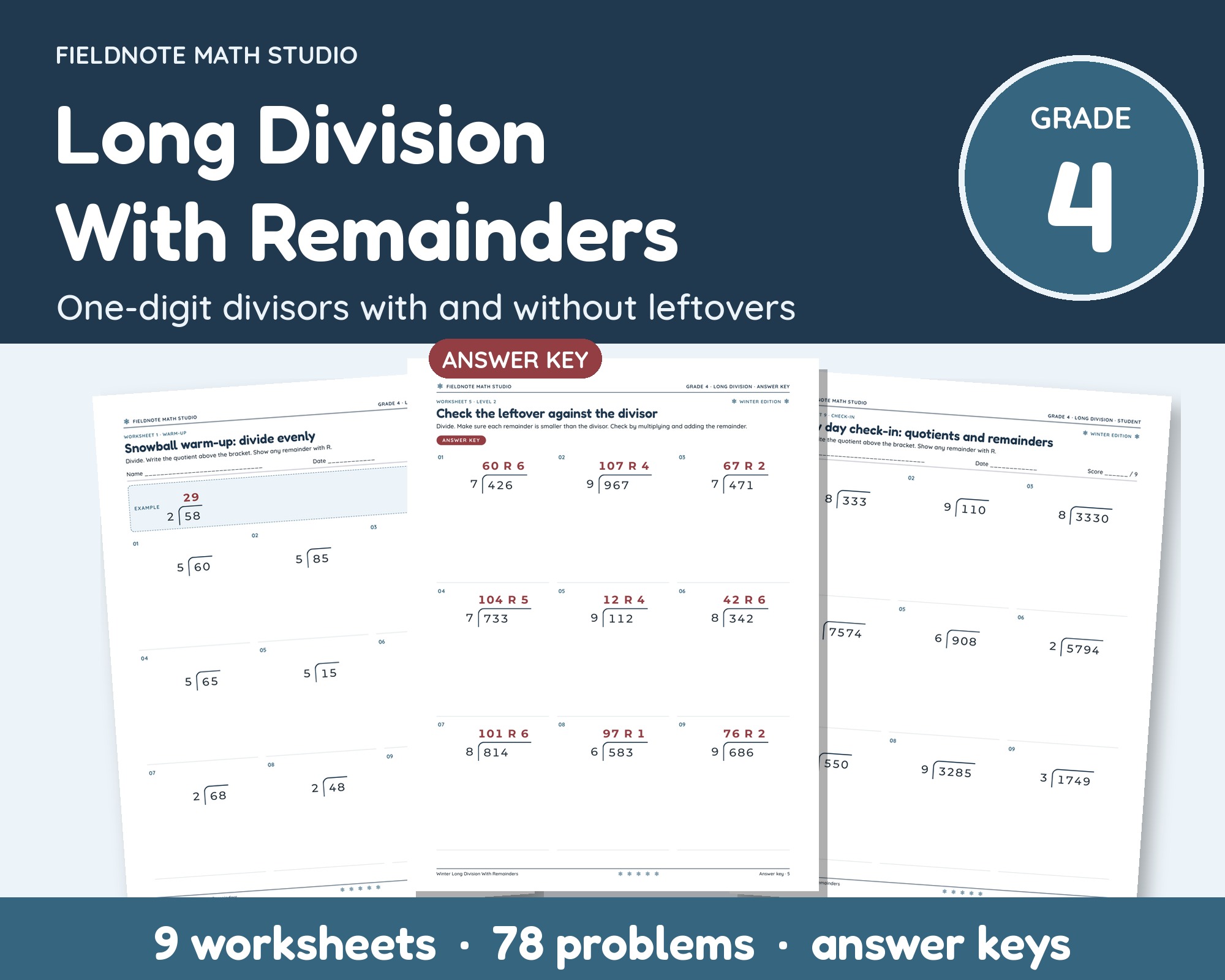
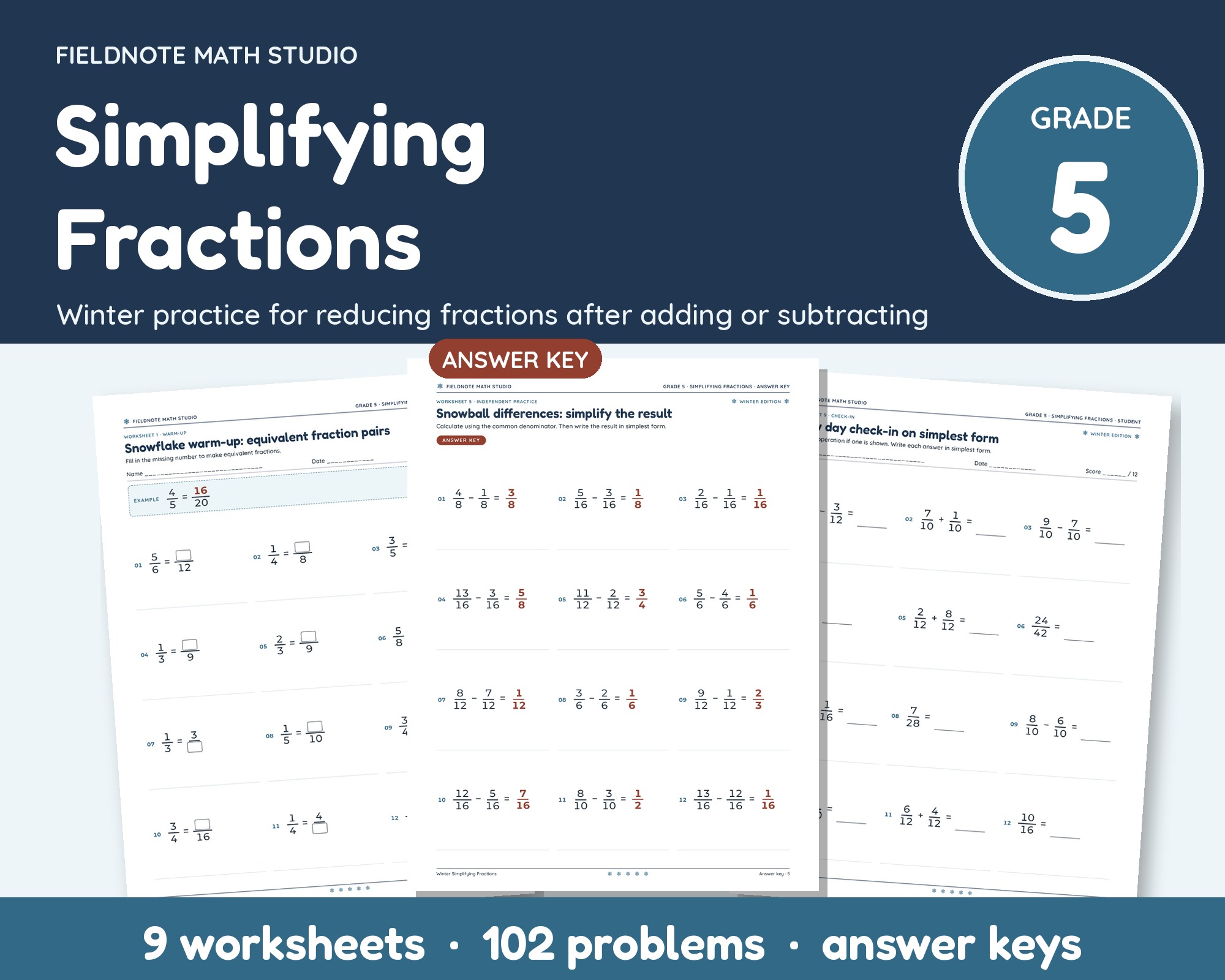
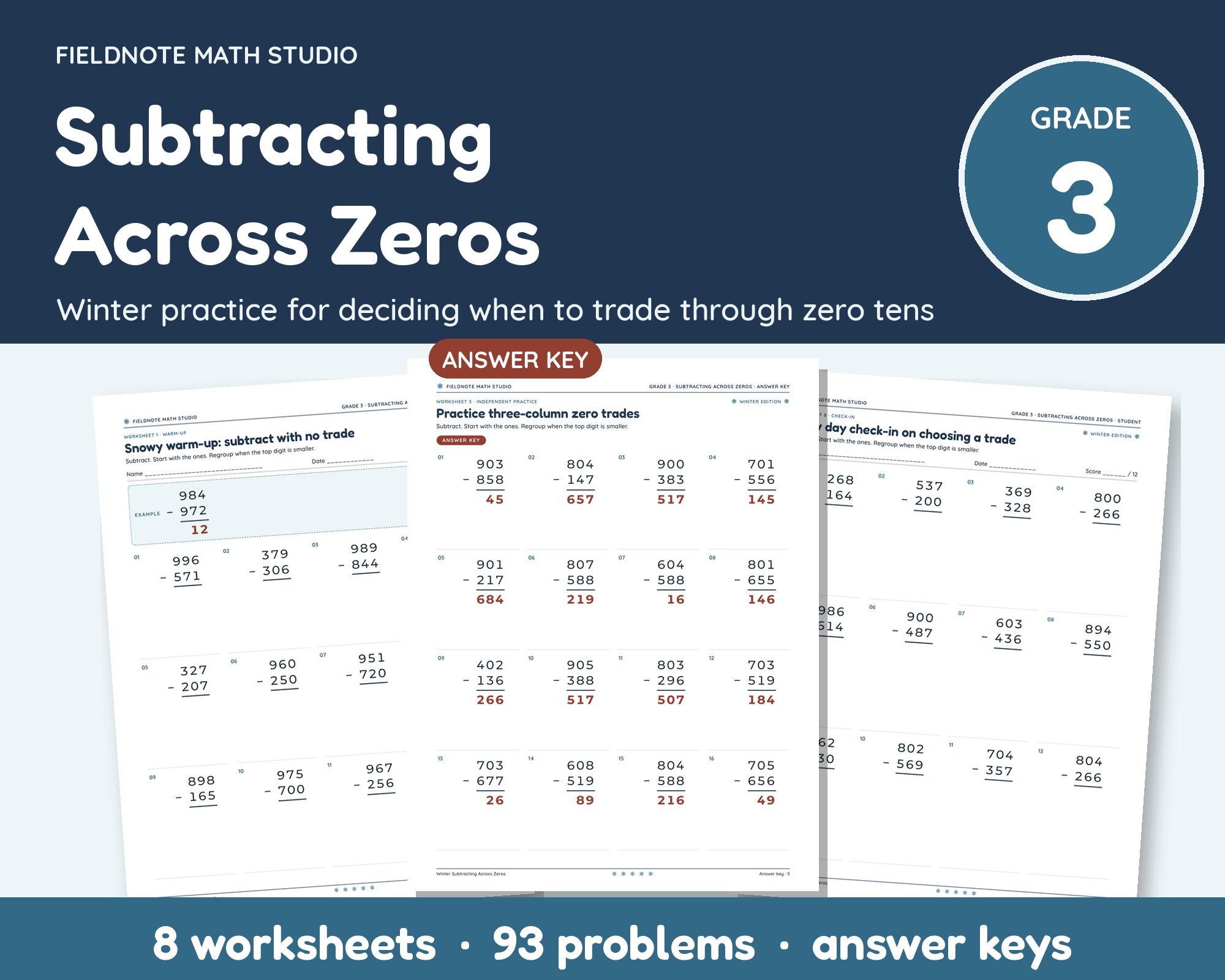
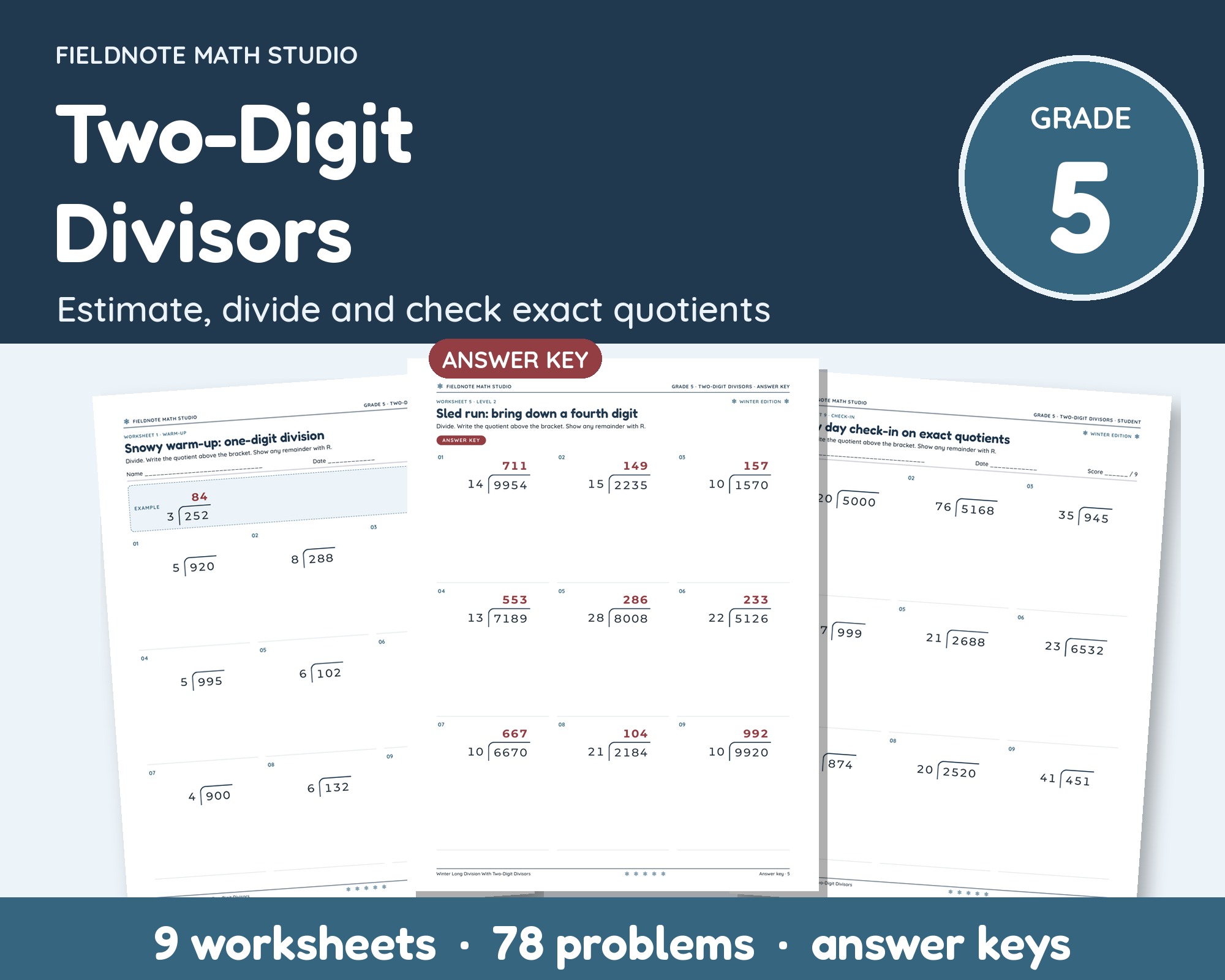
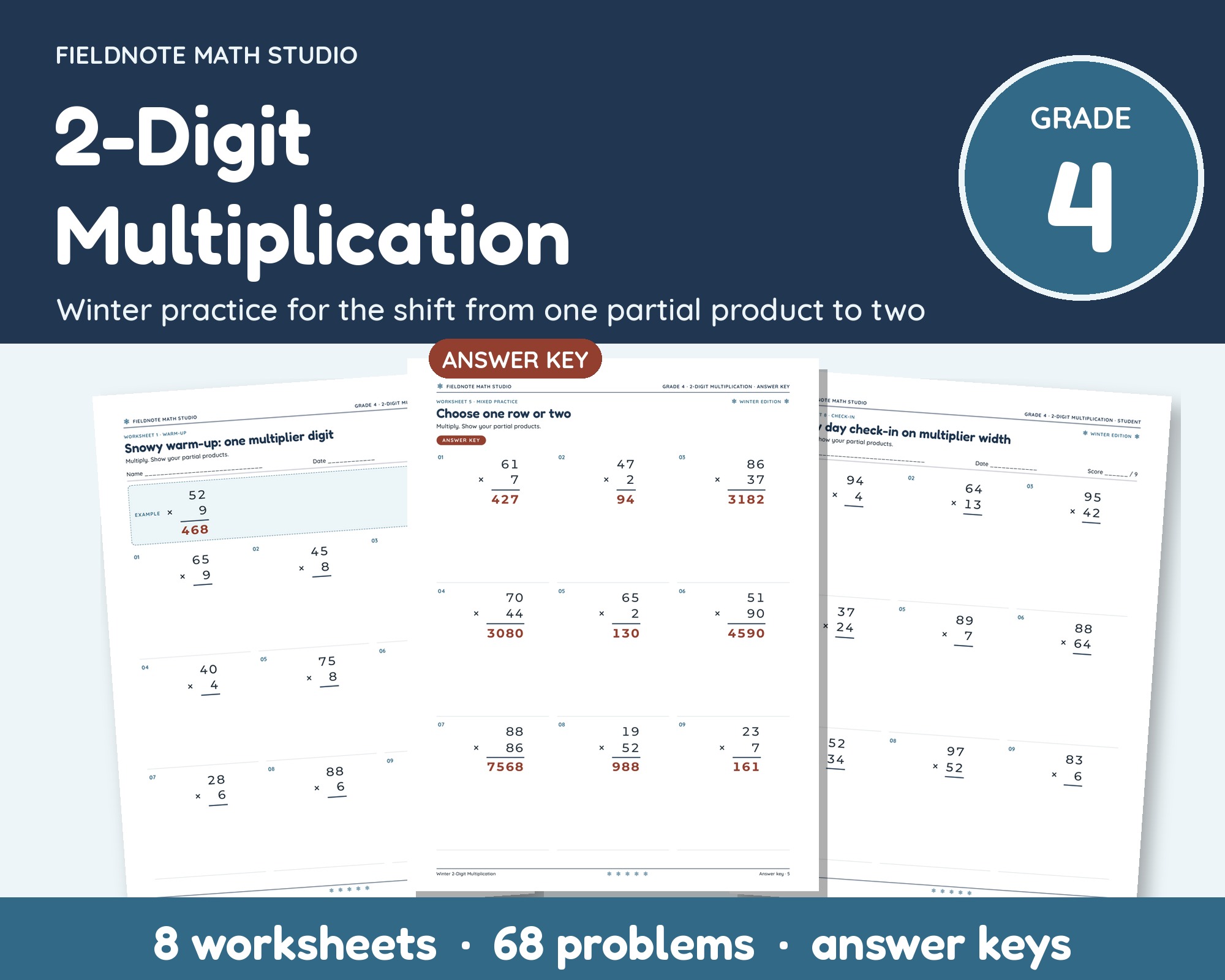
- Station 2, task cards: 12-16 cards per group, a recording sheet, and the answer key in an envelope for checking at the end.
- Station 3, fluency: facts, rounding or measurement practice students already know how to do.
- Station 4, quiet finish: a word search, a puzzle page or an early-finisher sheet, so the fast group doesn't drift.
Make the self-check do the work
Put answer keys in a folder at the station, face down. Students check only after the whole recording sheet is done. That one rule cuts most of the "is this right?" questions.
Keep the theme light
A winter or holiday theme is enough motivation: snowflakes on the cards, a cocoa-shop story problem. Keep the math the same as the rest of your unit, so the centers practice what you taught rather than introducing something new before a break.
Plan for the short days
On a two-hour-delay or assembly day, run only stations 2 and 4. They need no introduction, and the class still practices.
Quick checklist
- One skill per station, written on a card at the table
- Recording sheet + face-down key
- Early-finisher page at every station
- 10-12 minute timer, one clear signal to rotate