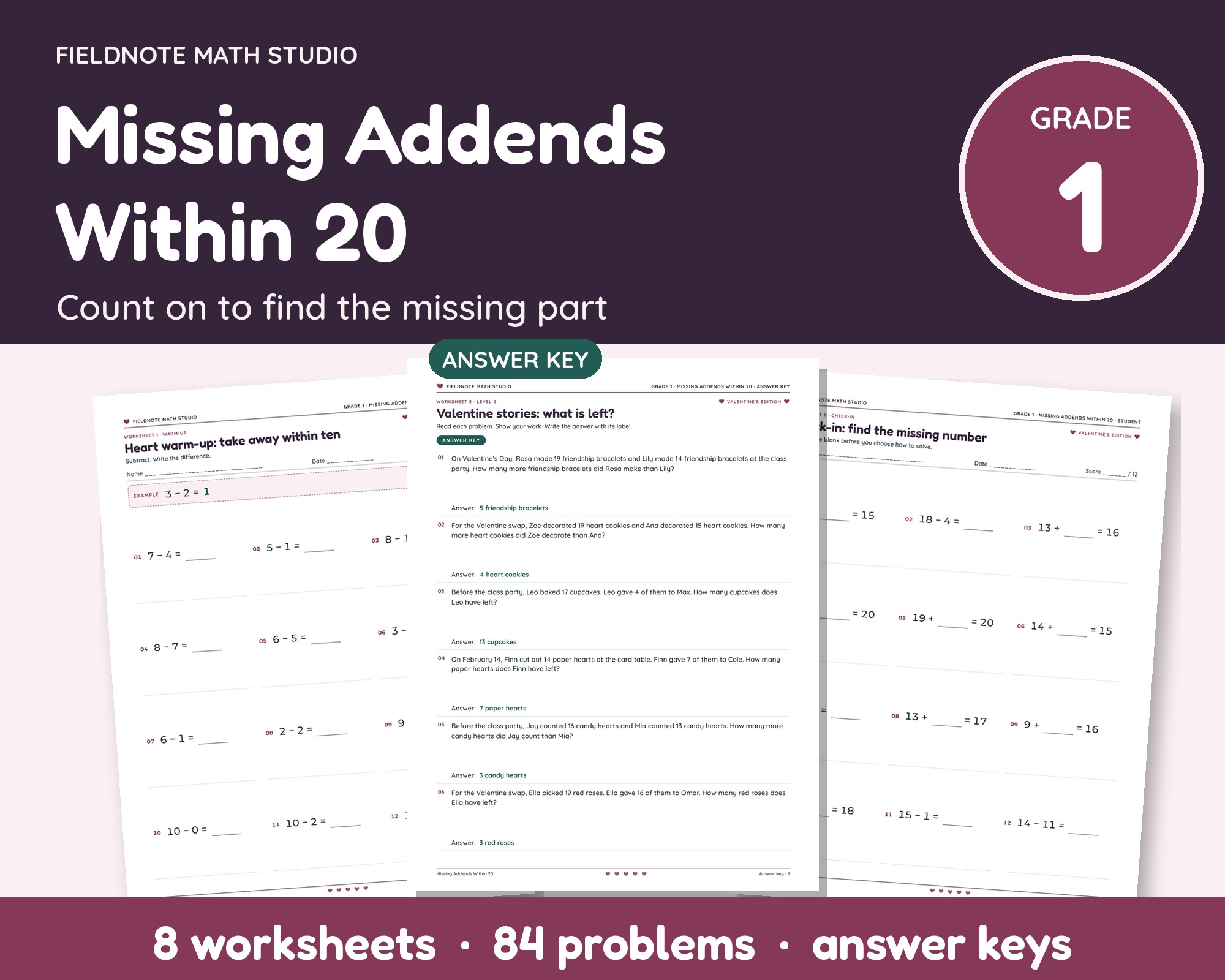
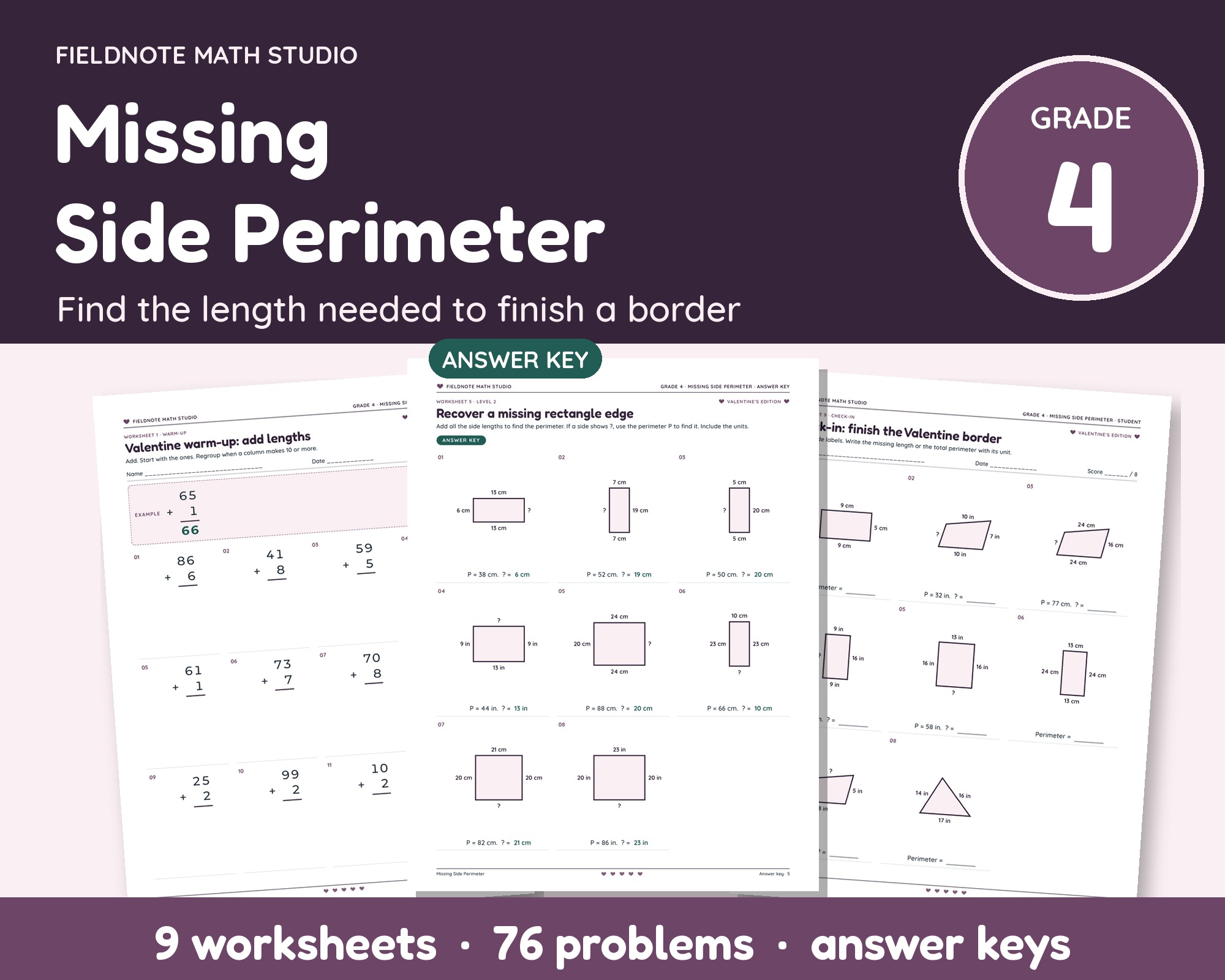
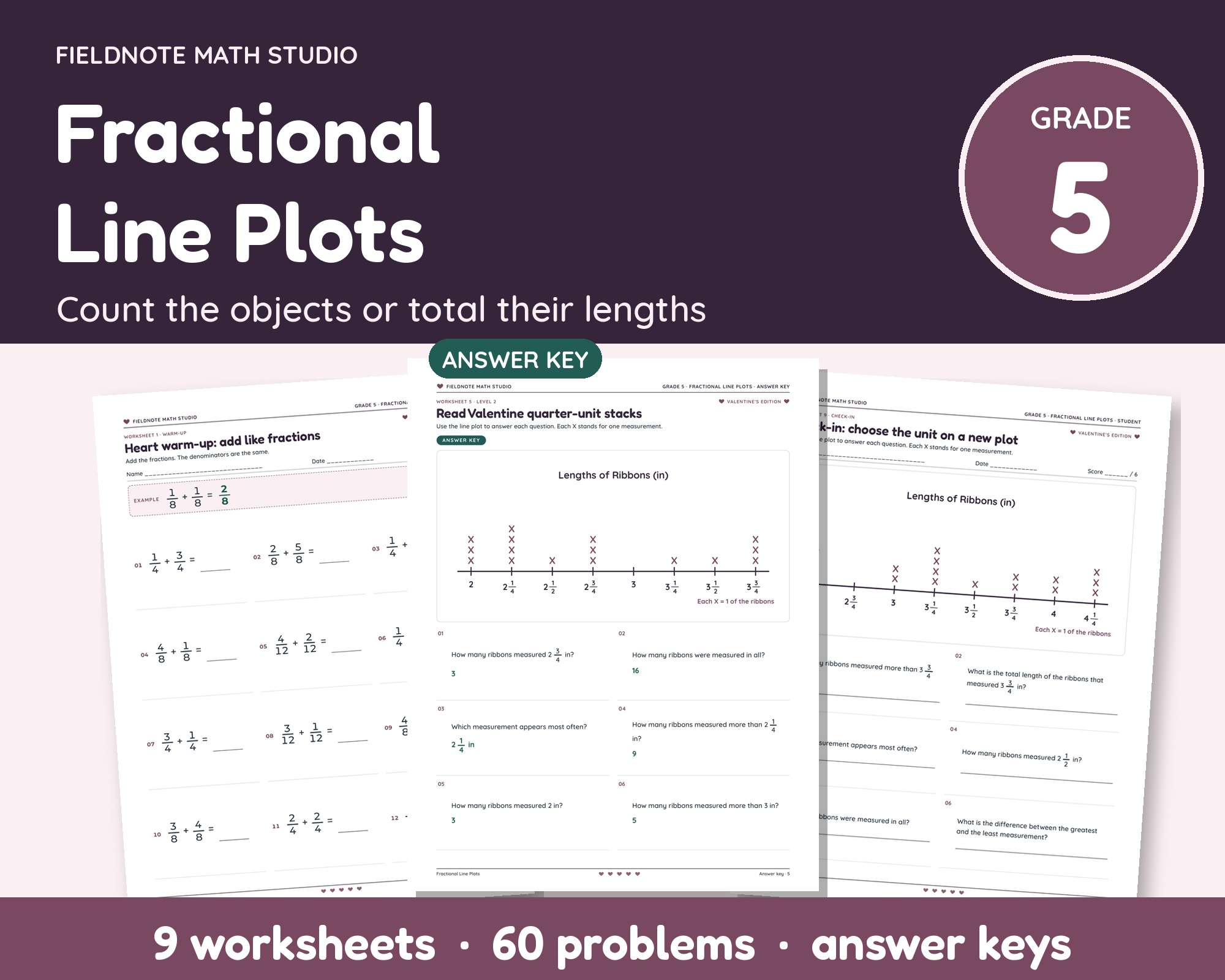
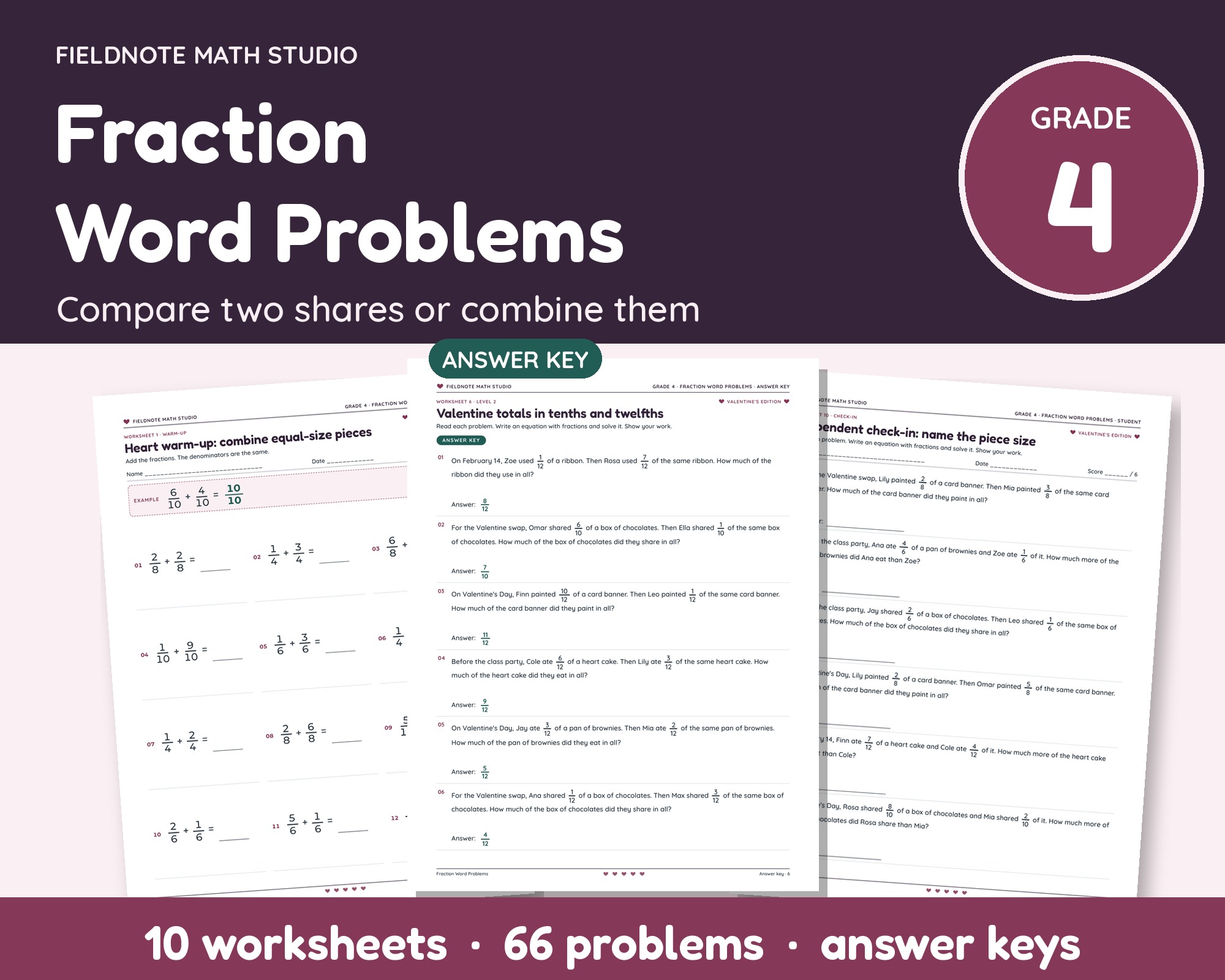
A week of Valentine's math that still teaches
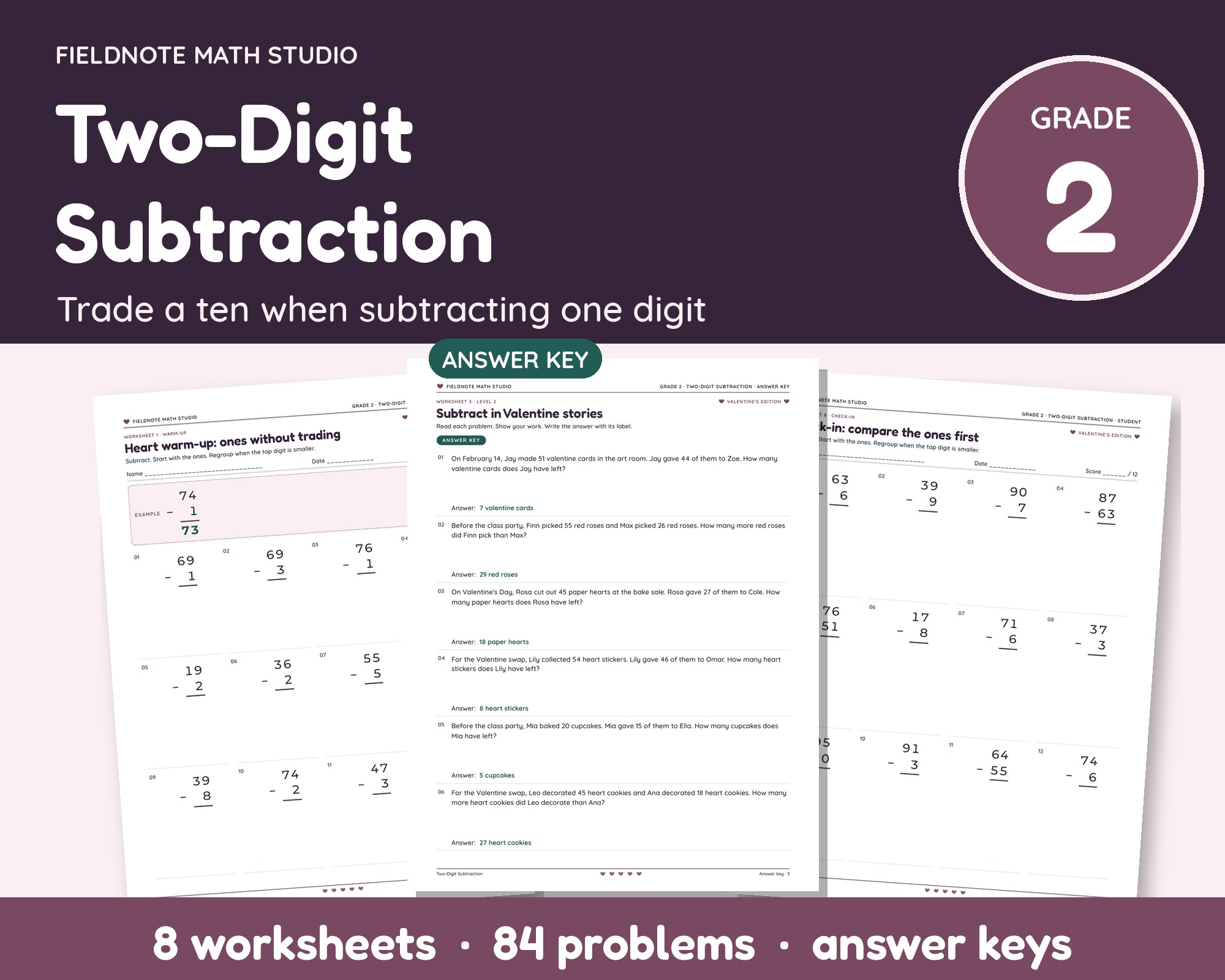
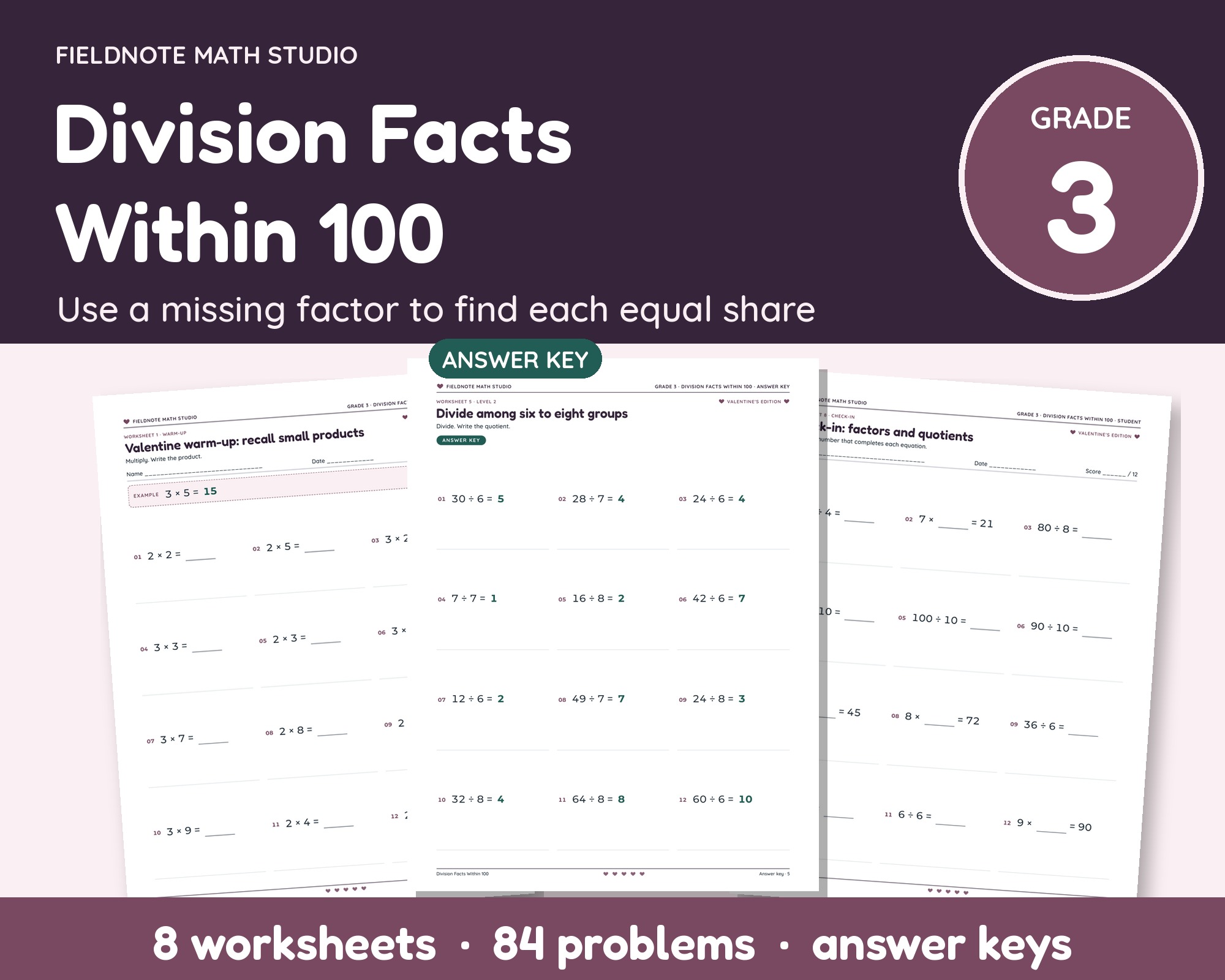
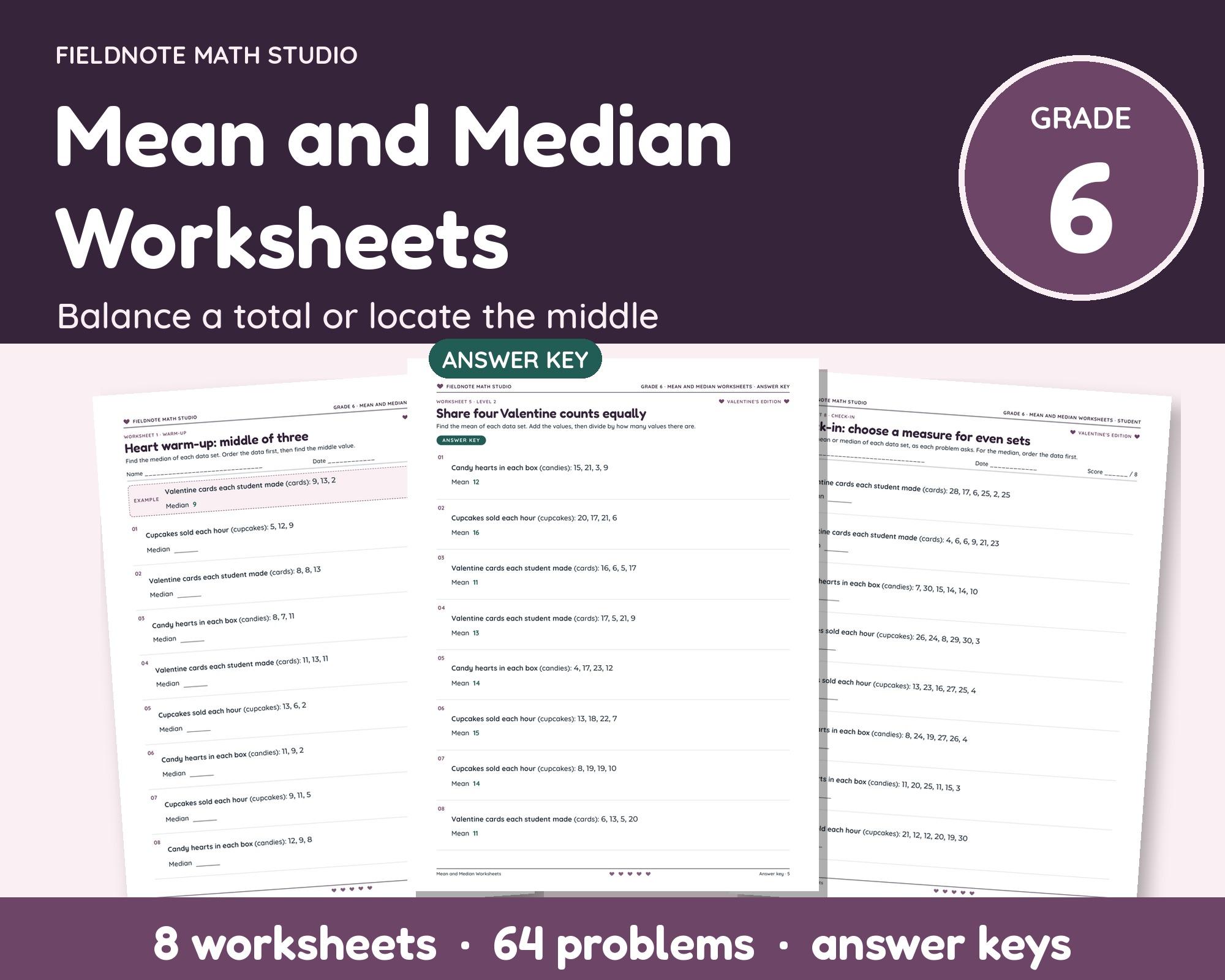
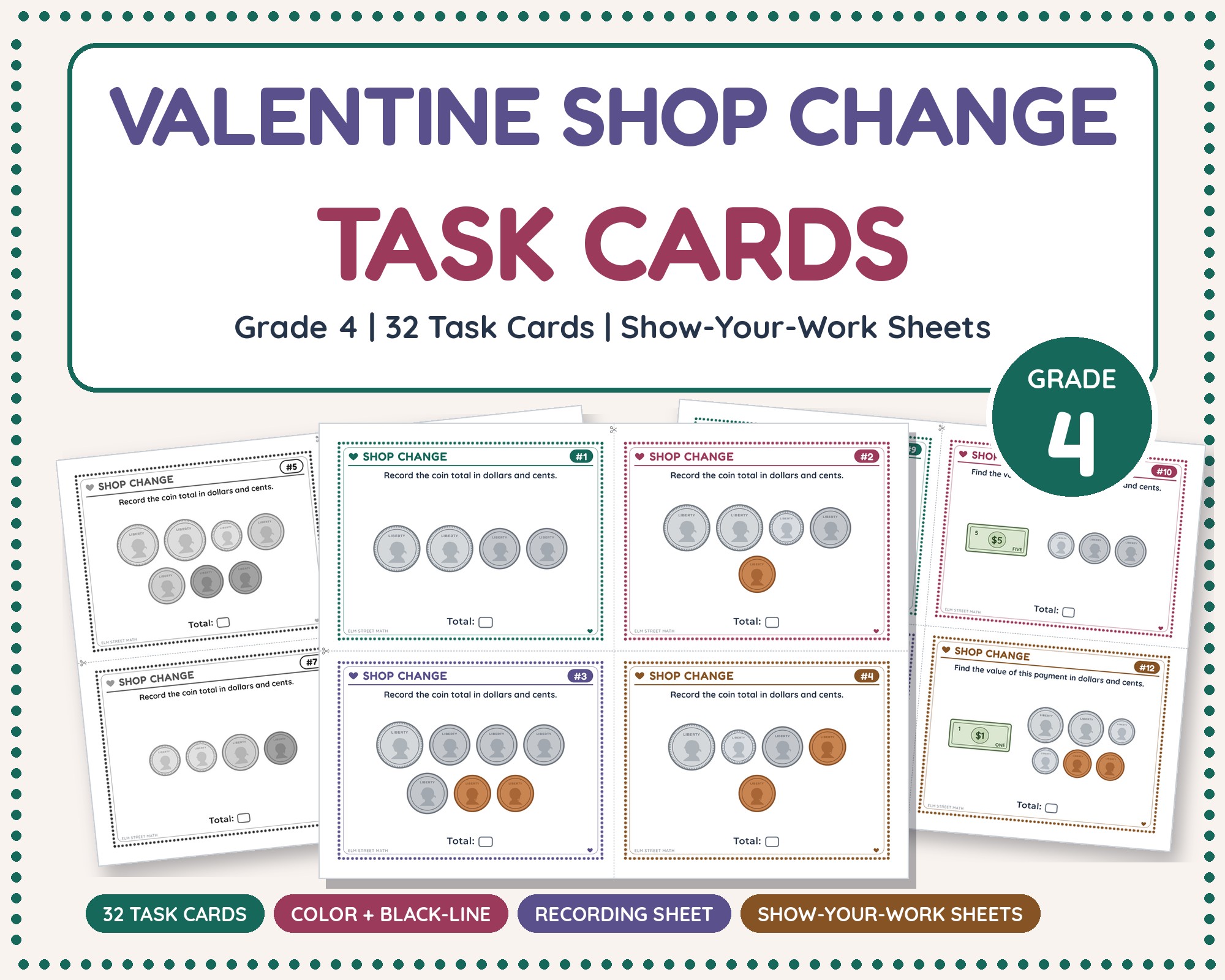
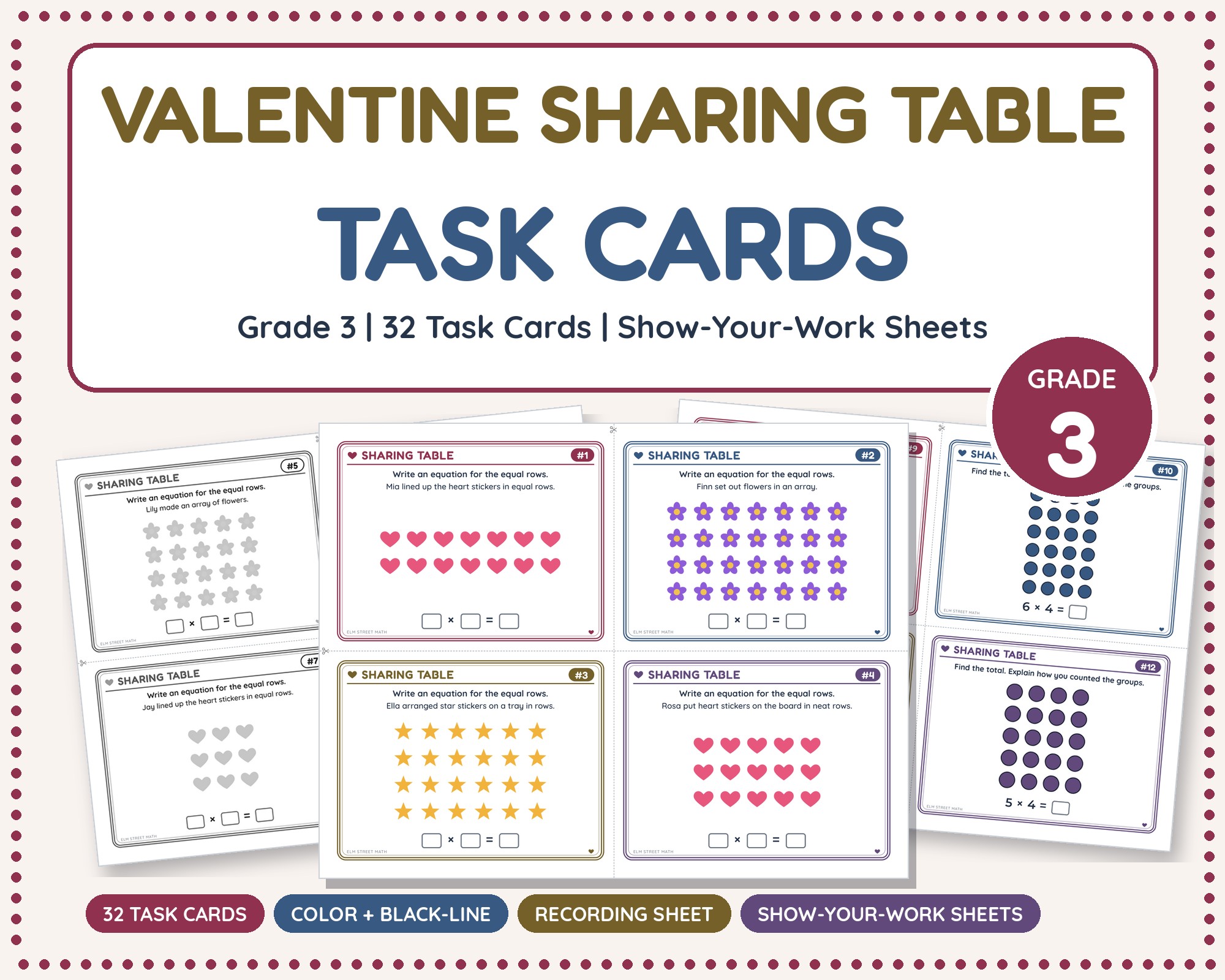
February 14 lands in the middle of real units: regrouping, elapsed time, multi-step problems. Theme-only worksheets that drop the skill you're teaching cost you a week. The fix is to keep your current skill and change only the context.
Monday: warm up with a worked example
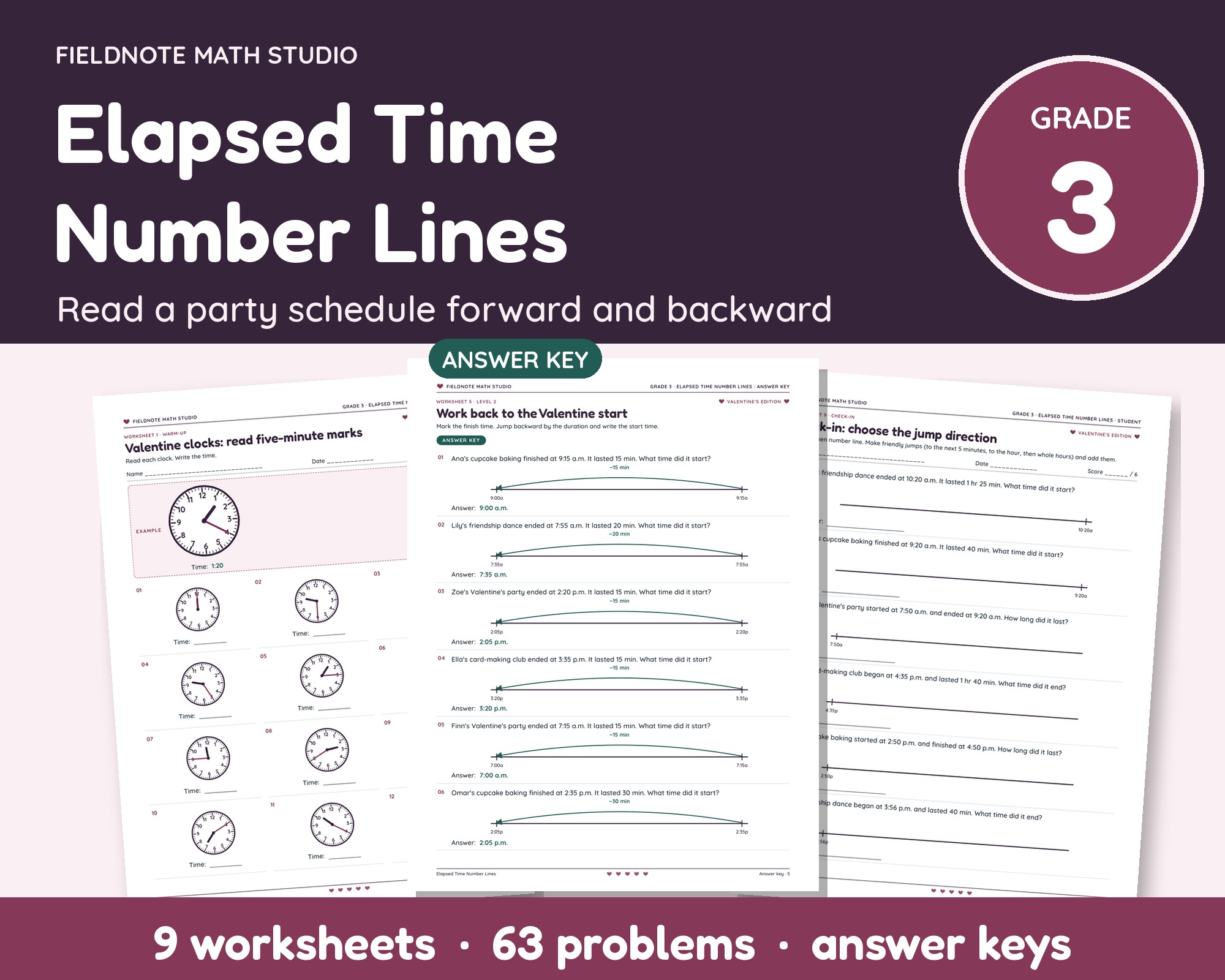
Start with one worked problem on the board in the Valentine context ("The class party starts at 1:15 and lasts 50 minutes..."). Students copy it, then try two on their own. You find out who is ready before the theme gets exciting.
Tuesday and Wednesday: centers by skill, not by theme
Run three centers on the same skill at different levels:
- On level: the standard practice sheet.
- Support: fewer problems, with a number line or place-value chart printed on the page.
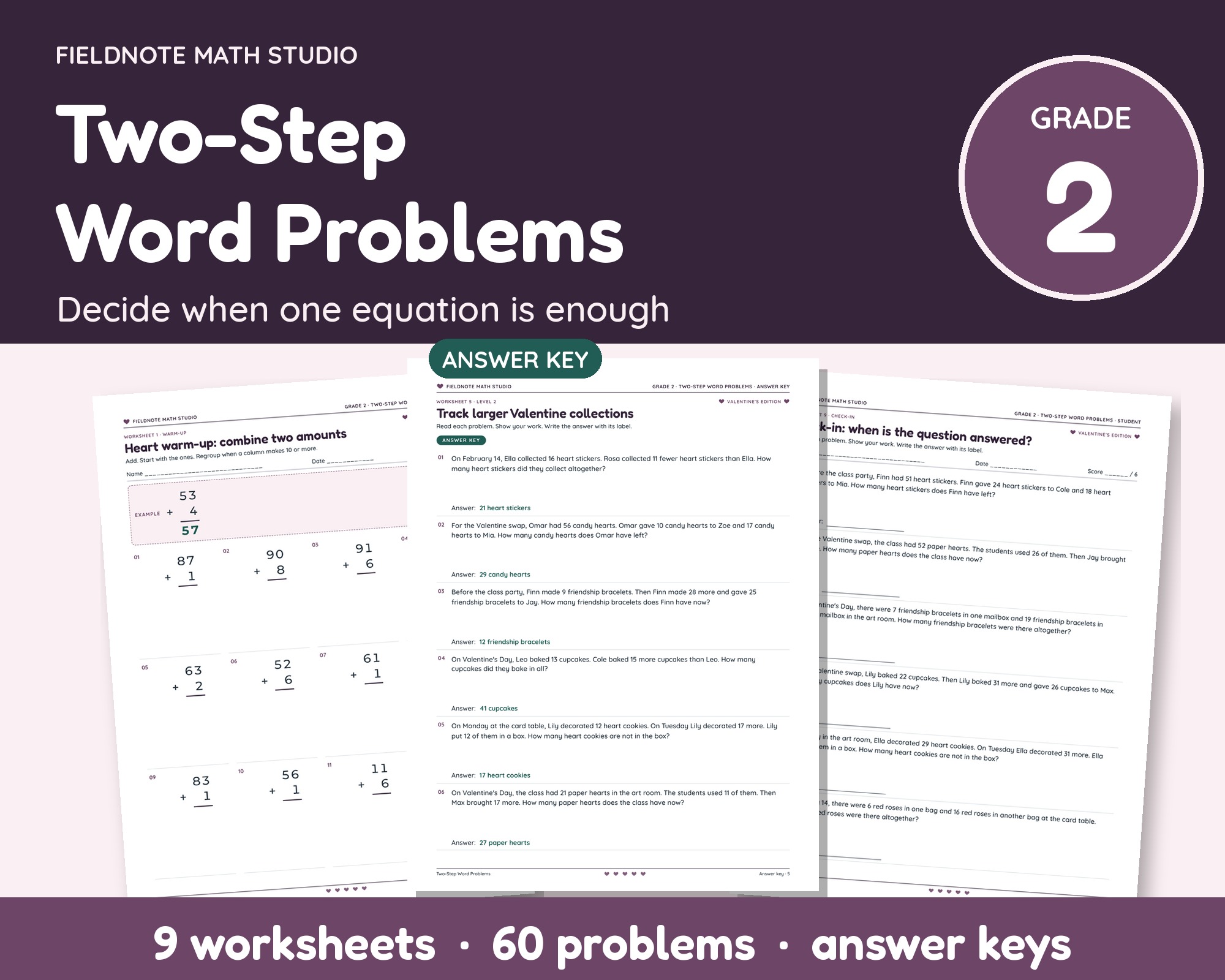
- Stretch: two-step word problems, where students have to decide which operation comes first.
Because every center uses the same story context, nobody feels singled out for working on the "easier" table.
Thursday: party planning word problems
Kids love problems about their own party: how many cards each student needs, how long games will take, how to share snacks fairly. These make natural two-step problems and practise elapsed time without feeling like a test.
Friday: a short check-in
Finish with a five-problem independent check-in on the week's skill. Keep it plain and quick, and save the party for after. You get real data for next week's groups, and the theme did its job of keeping a distracted week productive.
Tips that save prep time
- Print answer keys on a different colour of paper so they never end up in a center by mistake.
- Use page protectors and dry-erase markers for center sheets you want to reuse next year.
- Choose packs that come in both US Letter and A4 if you share resources with colleagues abroad.